Your phone buzzes. It's a retailer asking where their shipment is. You check the tracking. Honestly? You're not sure. That panic is common for California brands. This state runs on freight. Ports, trains, highways — one hiccup ripples through everything.
The fix isn't working harder. It's working smarter with B2B fulfillment services in California — and that's what we do at Bee Imagine. Let's break down how order fulfillment reshapes your supply chain.
The San Pedro Bay ports move roughly 40% of the nation's container imports. That's a huge load on old infrastructure. When ships bunch up, delays hit everyone. Retailers don't care about port congestion. They care about delivery dates.
Distances make it worse. A warehouse in Los Angeles might serve customers in Fresno, San Diego, or Sacramento. Each stop eats time and fuel. Strict emissions rules push costs up. Here's what congestion really costs you:
B2B fulfillment isn't just storage and shipping. Done right, it fixes real problems across your whole operation. Here's what changes when you hand the work to a solid 3PL.
Peak season swings don't scare them. Extra labor and space scale up fast, and you pay only for what you use.
The ports in California are the leading importer ports in the country. The Port of Long Beach handles over $200 billion worth of cargo annually. Shippers are waiting for the containers, customs, and chassis. A Free Trade Zone changes the math.
Inside an FTZ, goods enter the country without duties being paid yet. You only pay duty when goods leave the zone for the US market. Items exported or reworked? No duty at all. That alone saves thousands per shipment.
Retailers like Walmart and Target hit vendors with chargebacks for wrong labels, late trucks, or missed appointment windows. Each error costs real money. A fulfillment partner that knows retailer routing guides protects your margins.
Not every provider is built for B2B. The right B2B fulfillment services in California combine certifications, location, and technology. Look for CTPAT and ISO status. Check facilities near ports. Ask about WMS integrations with your ERP or store platform.
Don't forget drayage. Moving containers from the port to a warehouse is half the battle. A partner with its own chassis and drivers avoids the equipment shortages that stall other importers.
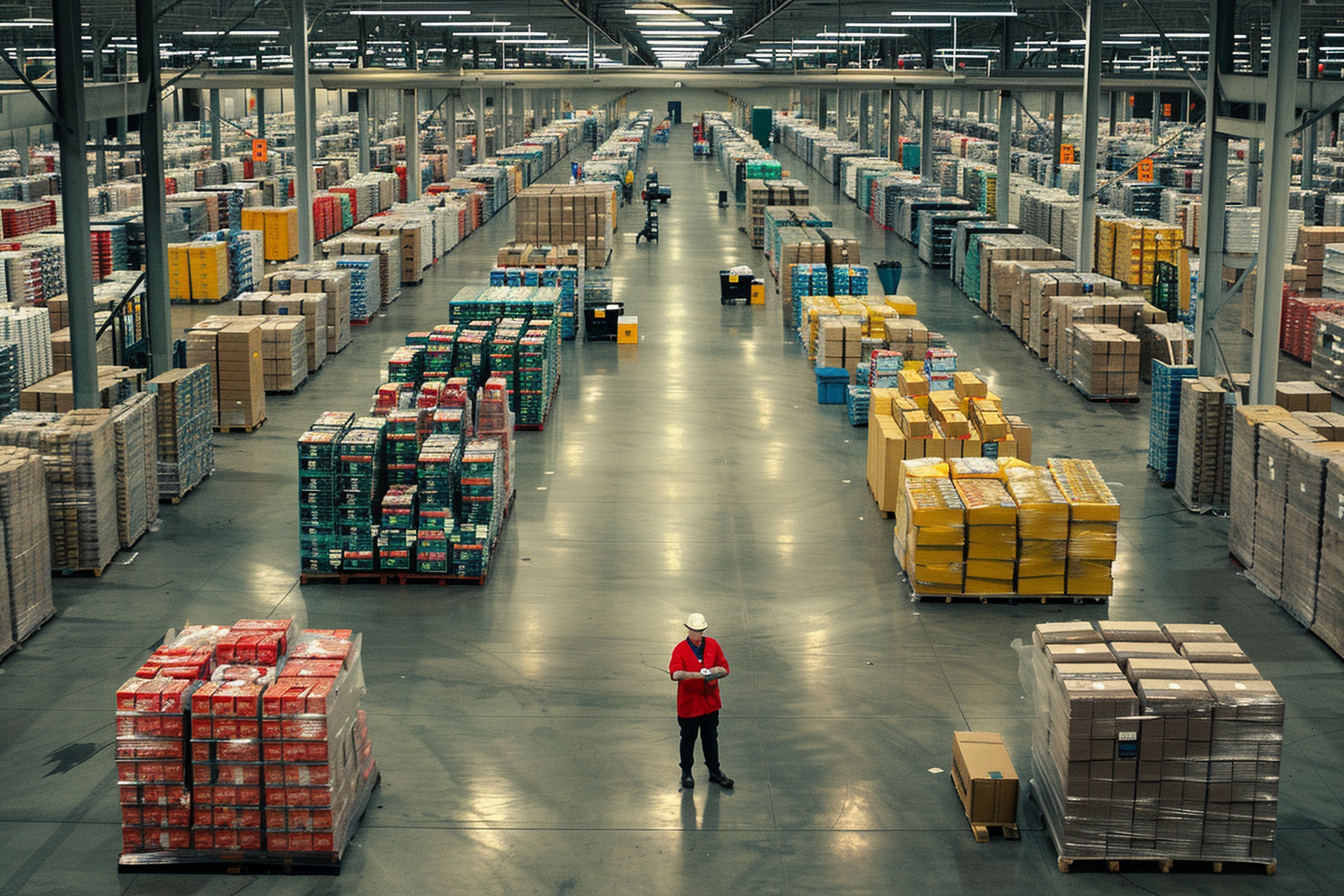
We run B2B fulfillment services in California from three facilities: Irwindale, Fontana, and Gardena. The Long Beach drayage facility is approximately ten miles away from the port. Since 2012, we have processed retail, apparel, electronics, and other products.
The Irwindale facility is our 145,000-square-foot facility with an FTZ designation, while the Fontana facility provides 242,00. Gardena holds our chassis and yard operations. Together, they cover the state's key freight corridors.
The goal is simple: one partner that understands ports, customs, retail rules, and your products. One phone number, one dashboard, one accountable team. That's what we do every day.
California supply chains will keep facing pressure. Ports will congest. Retailers will keep charging for mistakes. None of that changes how you win. You win by putting inventory in the right hands. B2B order fulfillment isn't overhead. It's the fix.
At Bee Imagine, B2B fulfillment services in California focus on retailer requirements like routing guides, EDI files, and carton labeling. Standard e-commerce ships one box to one consumer. B2B ships pallets or cases to stores with appointment windows, compliance rules, and chargeback risk. Different processes.
A Free Trade Zone is a secure area where imported goods avoid formal customs entry until they leave for the US market. Duties get deferred, and items exported or reworked pay no duty. That frees working capital and speeds distribution.
Most companies notice cleaner order flows within the first month. Chargeback reductions show up after two or three billing cycles, since retailers review compliance monthly. Inventory accuracy improves quickly with a reliable WMS. Expect real cost changes within one quarter.
Not always, but often yes. California's ports receive a huge share of US imports, so storing near the entry point cuts transit time and drayage costs. If you sell heavily on the West Coast, a California facility beats shipping from the East Coast.
Pricing varies by space, labor, and volume. Actual pallet storage, pick-and-pack, and freight are quoted separately. FTZ space, security, and compliance add costs but often pay for themselves. Always ask for a full breakdown before signing, including any peak-season surcharges.